School Goal One
To improve students’ mental health and well-being and social-emotional skills through social emotional learning (SEL) and trauma-informed practice.
In a large dual track school, how do we build belonging and nurture a school culture of connection for students, staff and families?
With varying demographics and increased student need, we will rely on evidence that intentional inclusive classroom planning and supports for Tier 1, 2, and 3 students, when implemented schoolwide, make a significant difference in students’ sense of self and positive school culture.
This goal and driving inquiry aligns to both our Mental Health and Wellness and Indigenous Learner Success district strategic goals and First Peoples Principles of Learning:
- Learning supports the well-being of the self, the family, the community, the land, the spirits, and the ancestors.
- Learning is holistic, reflexive, reflective, experiential, and relational (focused on connectedness, reciprocal relationships, and a sense of place).
- Learning is embedded in memory, history, and story.

First Peoples Principles of Learning

The Mental Health and Well-Being Goal needs to ensure that:
- Learning ultimately supports the well-being of the self, the family, the community, the land, the spirits, and the ancestors.
- Learning is holistic, reflexive, reflective, experiential, and relational (focused on connectedness, on reciprocal relationships, and a sense of place).
- Learning is embedded in memory, history, and story.
Over the course of the year, the following will be our direct areas of focus:
- Implement the Second Step program school-wide;
- Create whole-school and evidence based classroom programs, partnered with an overarching set of themes that are the focus of schoolwide assemblies, student announcements, and activities;
- Place staff wellness as a crucial element in the mental health and wellness of the school;
- Create opportunities to celebrate, gather, and work together as a school community for specific purpose, or for joy (e.g., Cram the Cruiser, Family Read-In, Terry Fox Run, full school recesses);
- Apply strategies and providing feedback about student learning to support students with self-regulation strategies and skills;
- Increase staff empathy and capacity to support diverse learners by providing monthly in-service meeting time for all staff, focused on inclusive practices and behavioural strategies;
- Conduct compassion interviews with children (What kind of teaching helps you? How do you like to learn?) to continue to gather Street Data;
- Create a front-of-school outdoor gathering and learning space, centred on the 24/25 Welcome Pole;
- Continue to integrate First Peoples Principles of Learning and Ways of Knowing into the classroom approach.


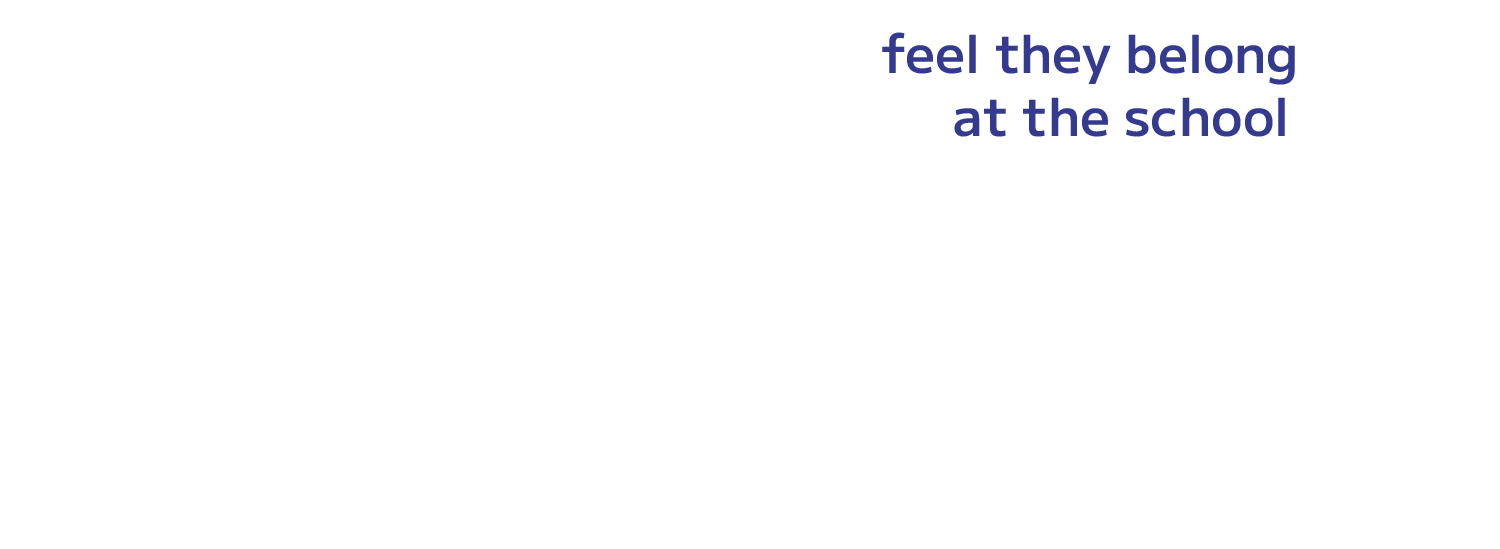
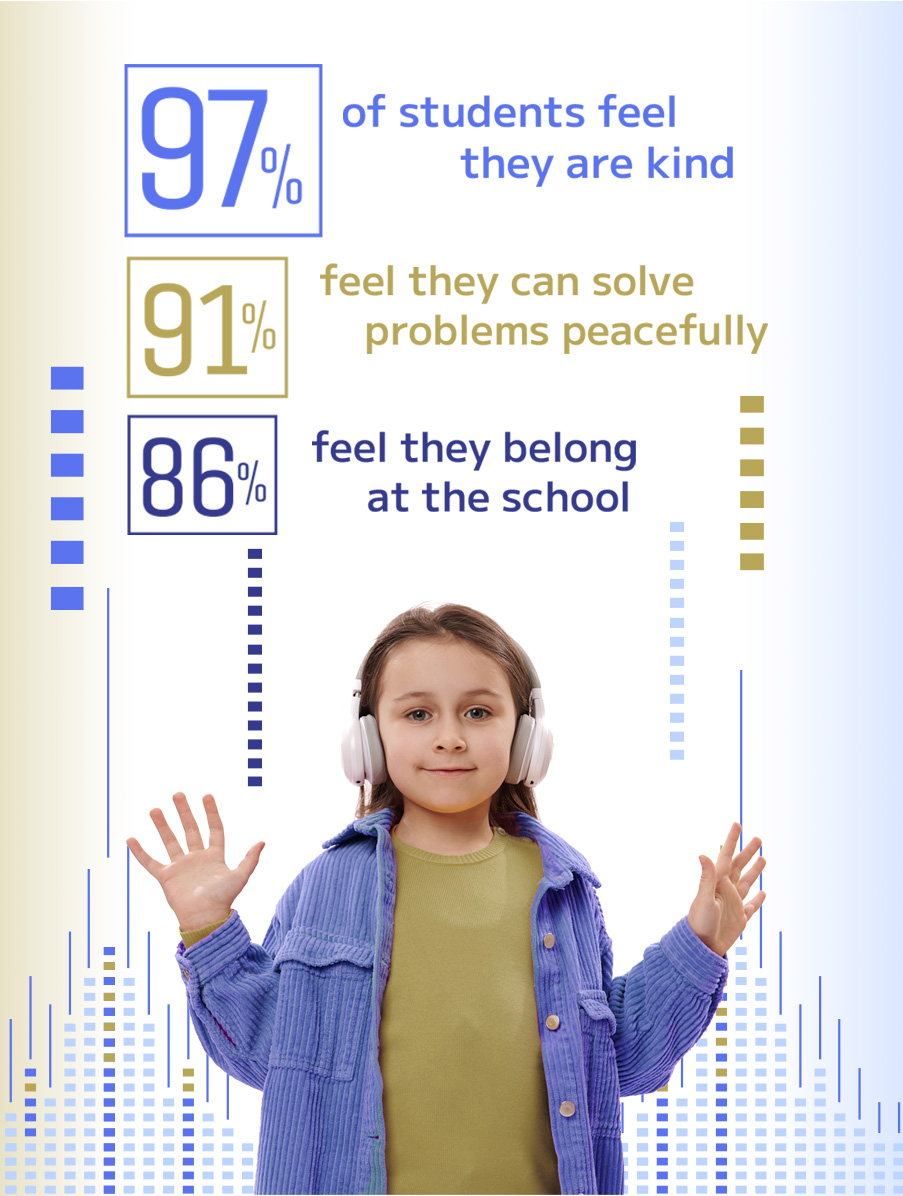
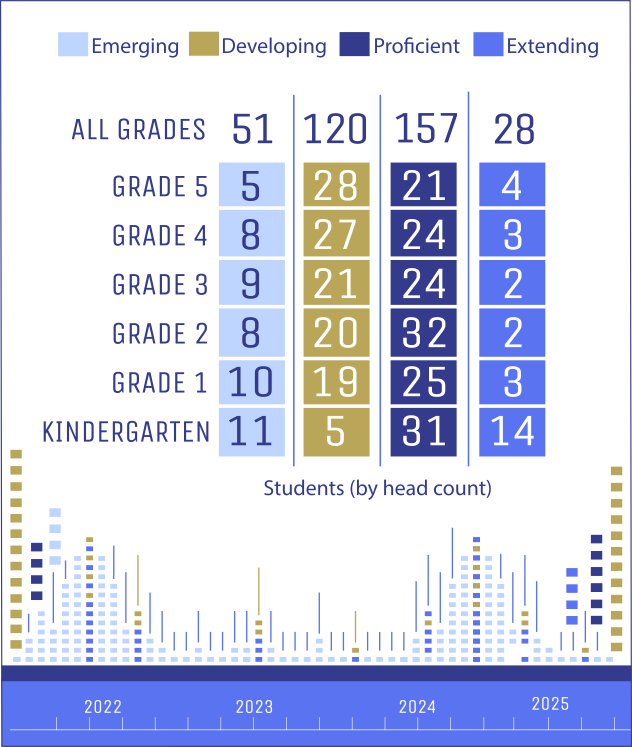
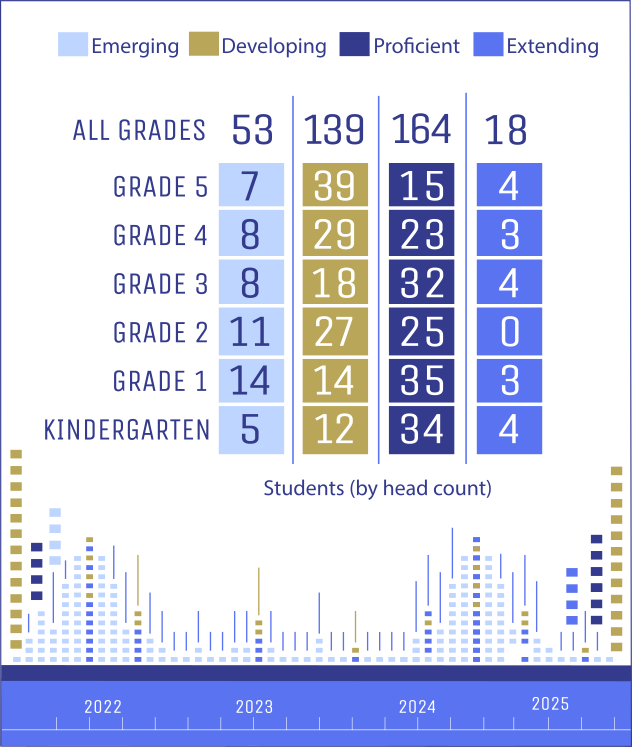
Over the 2025-26 year, we will track progress on our initiatives identified in this year’s plan. Grade 4 students, their parents, and staff will complete the Ministry of Education and Child Care Student Learning Engagement Survey. We will consider a school-based SEL assessment, such as the mini-Dessa or school-based alternative.
Summary learning, based on evidence gathered over the year, will provide us with key learnings to guide our next steps for the 2025-2026 school year and beyond. More specifically:
- From Adrienne Gear’s work, we will continue to move away from the KWL (know-want to know-what I learned) to “Knew/New” – what you previously knew versus a new understanding;
- We will continue to explore early intervention, necessary accommodations, and student and classroom supports for students presenting and affected by SEL and self-regulation challenges; and
- We will explore the DOK Depth-Of-Knowledge work of Dr. Norman Webb, to build students’ skills in being more active learners who move from passive, to active, engaged learners.